

Beyond the ordinary
Shoreditch is a restless corner of London where centuries of theatre, industry and rebellion collide with street art, nightlife and innovation, creating a place that is constantly reinventing itself while never quite forgetting its past.

A Neighbourhood on the Edge of the City
Shoreditch lies just beyond the historic boundary of the City of London, and that in-between position has shaped its character for centuries. Never quite inside the City but always closely tied to it, Shoreditch developed as a place of opportunity for people, trades and ideas that did not easily fit within London’s formal limits. Its streets have long absorbed waves of newcomers and new uses, giving the area a reputation for constant change rather than fixed identity..
Shoreditch and the Birth of English Theatre
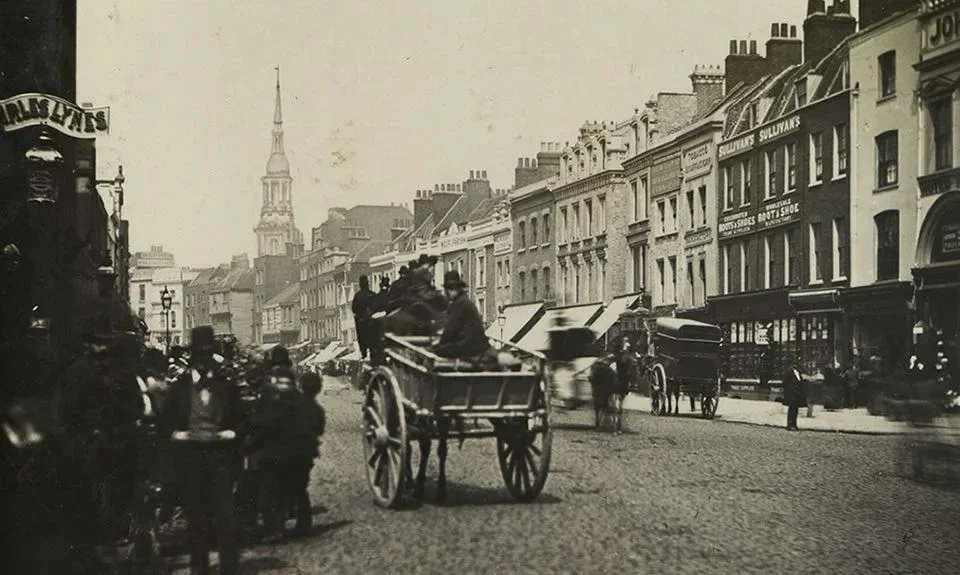
In the late sixteenth and early seventeenth centuries, Shoreditch played a crucial role in the birth of English theatre. Some of London’s earliest purpose-built playhouses were established here, including the Curtain Theatre, which staged works by leading playwrights of the period and hosted major acting companies. This theatrical tradition placed Shoreditch at the heart of London’s cultural life at a time when drama was becoming a defining feature of the city. Recent archaeological discoveries have brought this past vividly back into view, confirming the area’s importance in early modern entertainment.
Industry, Furniture and Working Life
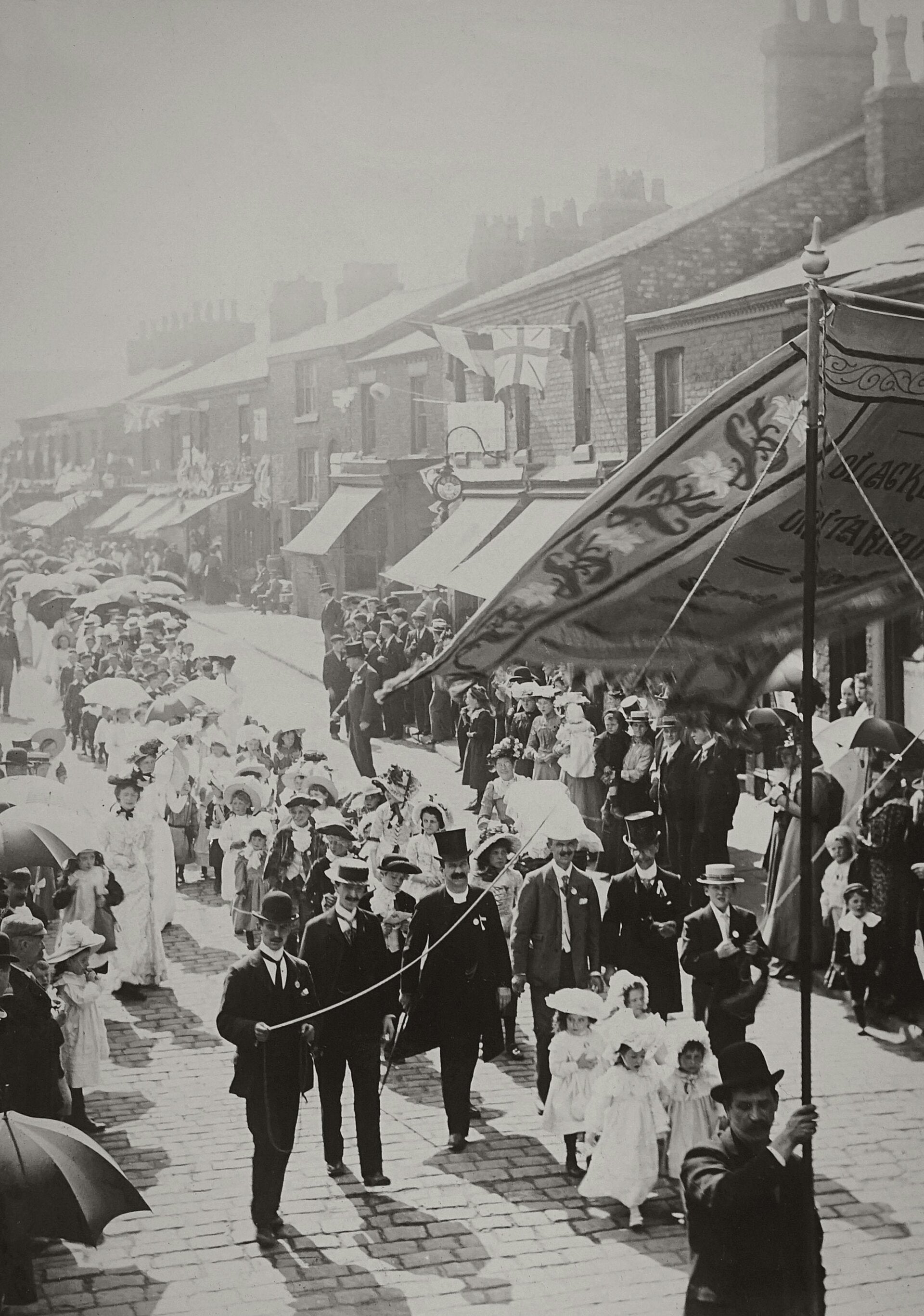
By the nineteenth century, Shoreditch had become firmly industrial. It was especially well known for furniture making and wholesale showrooms, an industry that dominated the area for decades and provided work for thousands. Workshops, warehouses and commercial buildings filled the neighbourhood, many of which still shape the streetscape today. This period also reinforced Shoreditch’s working-class character, as dense housing grew up alongside industry to serve a growing labour force.
From Post-Industrial Decline to Creative Hub
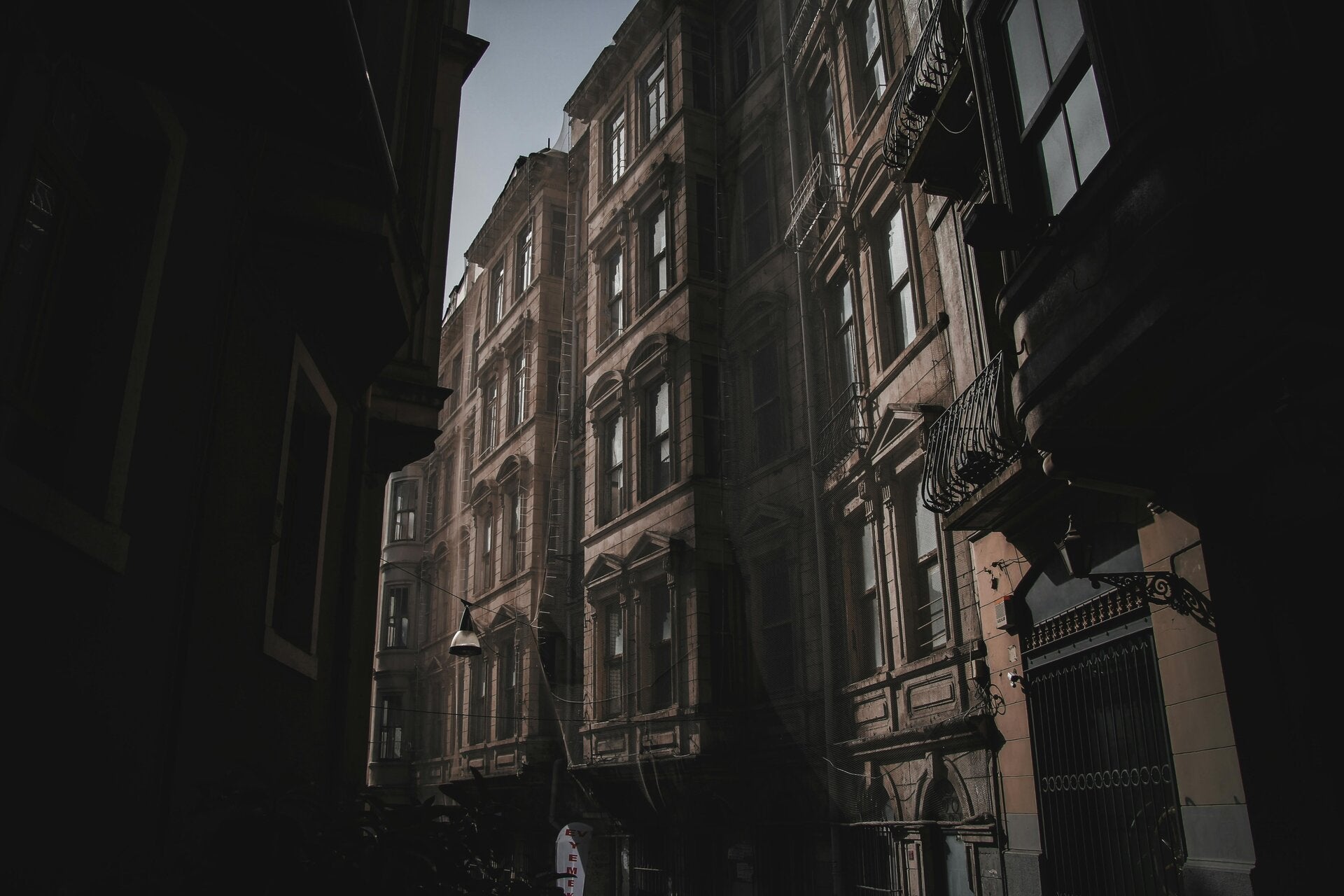
In more recent decades, Shoreditch has undergone another transformation. Following post-war decline and the loss of much manufacturing, the area attracted artists, musicians and small creative businesses from the late twentieth century onwards. This creative energy later merged with the growth of digital and technology firms around Old Street, turning Shoreditch into a global symbol of London’s creative and tech economy. Today, its lively street life, nightlife and cultural scene sit alongside ongoing debates about gentrification, affordability and community—continuing Shoreditch’s long history as a place shaped by change.